
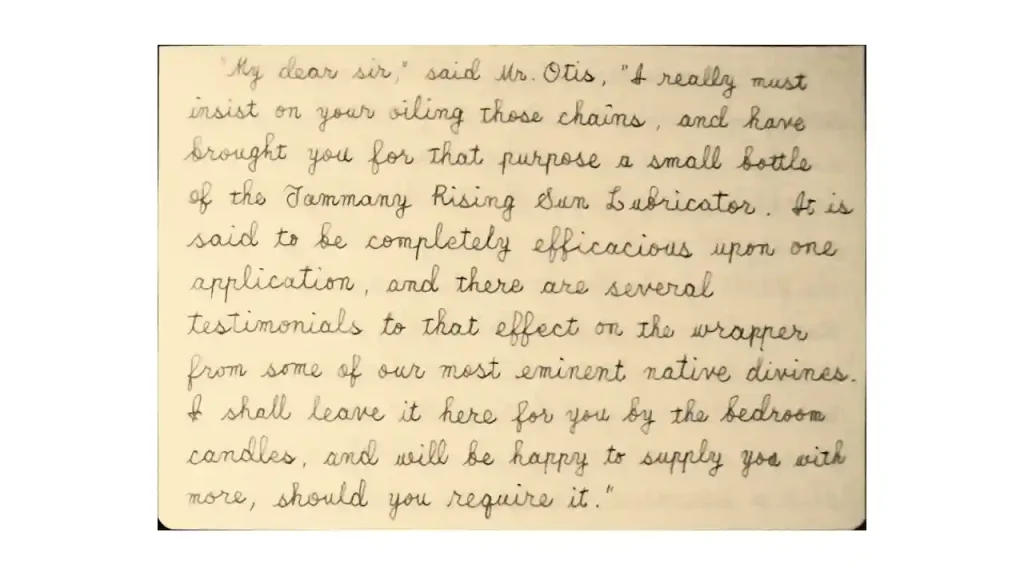
#6 Highly Effective: Learn Japanese
“こうかてきめん” refers to something that produces a strong and immediate result. It emphasizes that the action, method, or remedy works extremely well, often better than expected, and with noticeable impact.
“こうかてきめん” refers to something that produces a strong and immediate result. It emphasizes that the action, method, or remedy works extremely well, often better than expected, and with noticeable impact.
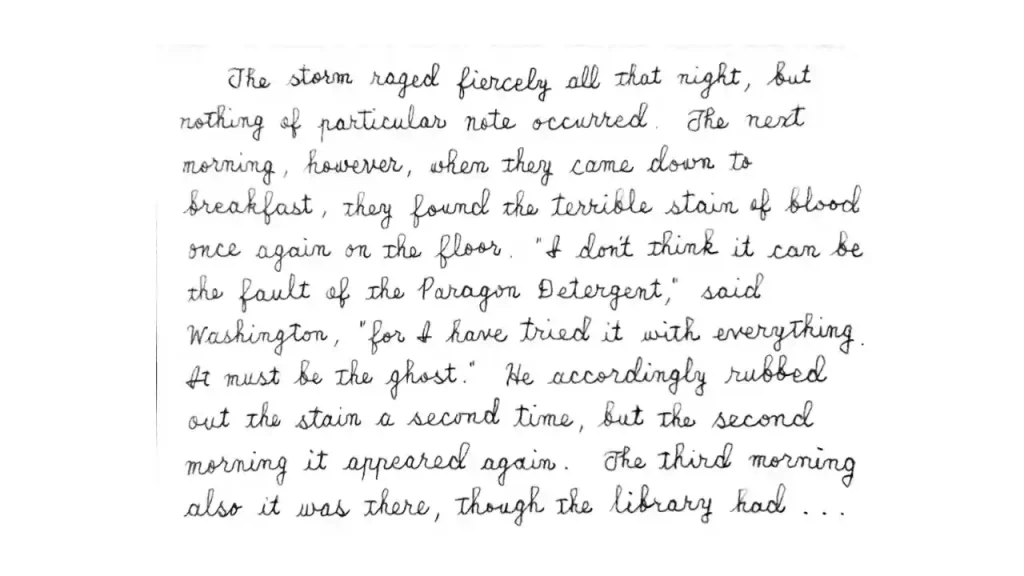
もういをふるう means to cause widespread destruction, chaos, or intense impact—often in a violent or uncontrollable way. It’s used for natural disasters, diseases, or even powerful emotions or forces that overwhelm systems or people.

“とくいげに” describes the manner in which someone behaves or speaks when they feel confident, accomplished, or pleased with themselves. It often implies a visible display of pride, such as a smile, posture, or tone.

“こふうな” describes something that reflects styles, manners, or values from the past. It can be used positively to evoke nostalgia, elegance, or tradition, or negatively to suggest something outdated or no longer in style. In Japanese, “古風な” often carries a sense of refined simplicity or classical beauty.

“じゆうほんぽう” describes someone who lives according to their own desires and values, without being constrained by social norms or expectations. It implies creativity, independence, and emotional openness.

“Hikitomeru” is a Japanese verb that means to stop someone from leaving, acting, or proceeding with something. It often implies persuasion or emotional appeal to make someone stay or reconsider their decision.